Acoustic Environments and Their Effects on Decision Patterns at Video Poker Stations
Bianca Ludwig · Jul 22, 2026
Acoustic Environments and Their Effects on Decision Patterns at Video Poker Stations
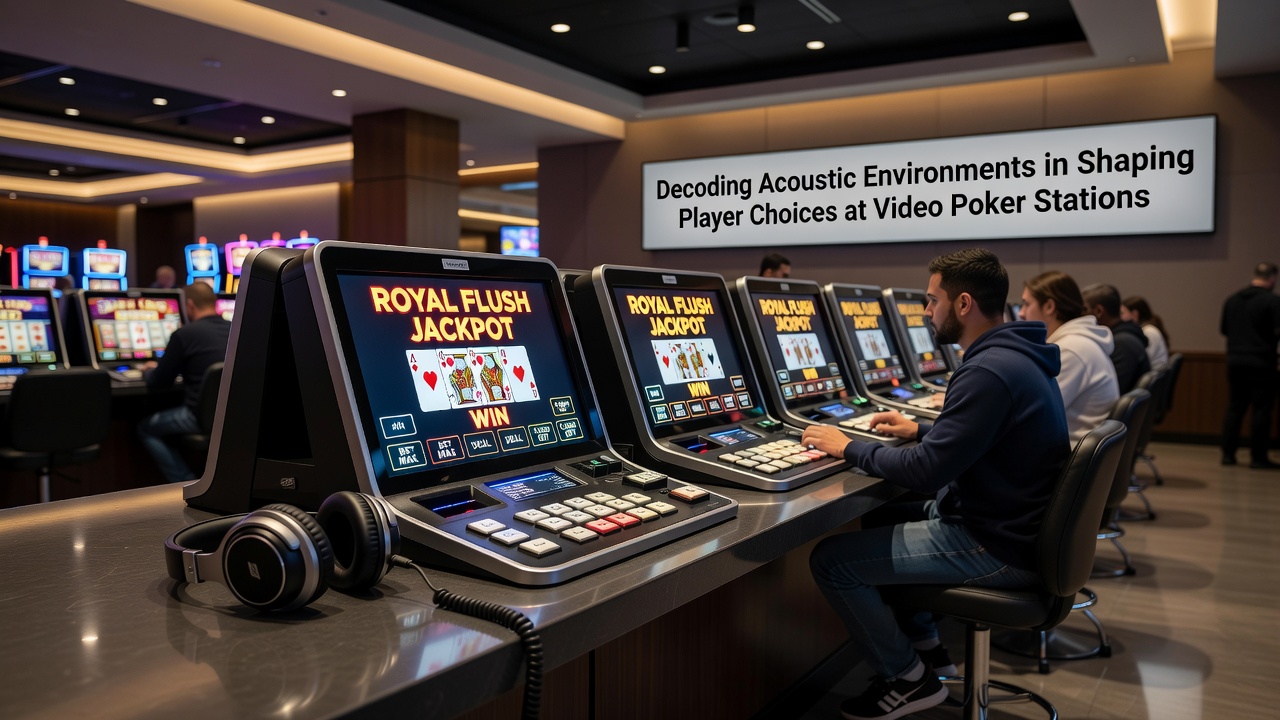
Acoustic environments in casino settings encompass background music, machine alerts, ambient noise levels, and targeted audio cues that operators deploy around video poker stations, and these elements interact with player behavior in measurable ways according to industry observations and facility data. Video poker terminals generate their own sound profiles through win chimes, card shuffle effects, and bet confirmation tones, while surrounding audio layers from adjacent machines and overhead systems create layered soundscapes that persist across operating hours.
Components of Casino Audio Design
Operators configure sound systems with specific frequencies and volumes calibrated to different zones, and data from multiple casino properties shows that tempo adjustments in background tracks coincide with variations in average session lengths at video poker banks. High-frequency alerts signal wins or near-misses on individual terminals, whereas lower ambient tracks fill transitional spaces between rows of machines; researchers tracking these installations note that synchronized audio across neighboring units can produce collective response patterns among groups of players.
Facilities in major gaming markets have documented how directional speakers focus attention on particular stations during promotional periods, and this approach aligns with broader efforts to manage foot traffic flow without relying solely on visual signage. In July 2026, several properties reported incremental updates to their audio calibration protocols following routine equipment reviews.
Observed Patterns in Player Interaction
Session data collected from video poker terminals indicates that certain audio sequences correlate with changes in bet sizing and play frequency, though causation requires careful isolation from other variables such as jackpot size or time of day. Players at stations equipped with adaptive sound feedback tend to extend play intervals when win notifications maintain consistent volume envelopes, while abrupt shifts in surrounding noise levels sometimes prompt quicker exits or pauses in activity.
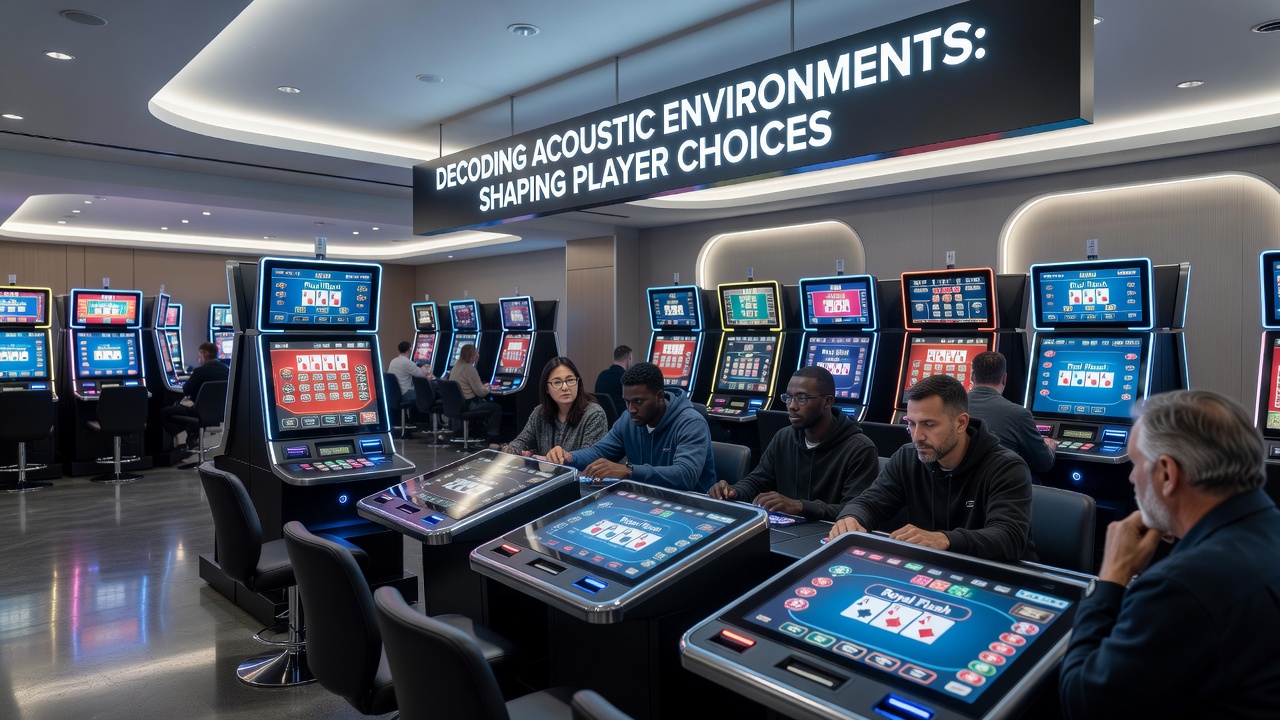
One analysis of terminal logs across multiple venues revealed that stations positioned near high-traffic walkways experience greater acoustic interference, and operators have responded by installing localized sound dampening panels to stabilize the immediate environment. These modifications appear in maintenance logs from properties operating under oversight from the Nevada Gaming Control Board.
Regulatory and Technical Considerations
Regulatory frameworks in various jurisdictions require operators to maintain defined maximum sound levels in gaming areas, and compliance records from the Alcohol and Gaming Commission of Ontario illustrate how annual inspections incorporate acoustic measurements alongside other operational standards. Technical teams adjust equalizer settings on a seasonal basis to account for changes in occupancy and external noise infiltration through building entrances.
Equipment suppliers have introduced modular audio modules that allow finer control over individual terminal outputs, and integration with central management systems enables real-time monitoring of sound distribution across the floor. Data shared in industry reports from the Canadian Gaming Association highlights adoption rates of these systems in newer installations.
Comparative Installations Across Regions
Video poker stations in North American markets often feature distinct audio profiles compared with those in Asian gaming hubs, where denser machine layouts produce different baseline noise conditions. Facilities in Australia have tested variable ambient tracks tied to progressive jackpot meters, and records from the New South Wales Independent Liquor and Gaming Authority note corresponding adjustments in terminal utilization metrics during trial periods.
Cross-property comparisons show that stations with isolated audio zones maintain steadier play volumes during peak evening hours, whereas open-plan areas exhibit more fluctuation tied to crowd-generated sound. Maintenance teams routinely calibrate these differences using standardized measurement protocols developed through collaboration with acoustic engineering firms.
Conclusion
Acoustic environments at video poker stations continue to evolve through incremental technical refinements and regulatory oversight, with available data pointing to measurable associations between sound configurations and patterns of player engagement. Continued monitoring by operators and oversight bodies will determine how future installations balance audio design with broader floor management objectives.