Analyzing Biometric Sensor Data from Wearable Devices During Extended Live Poker Sessions Across International Circuits
Blake Schmitt · Jun 8, 2026
Analyzing Biometric Sensor Data from Wearable Devices During Extended Live Poker Sessions Across International Circuits
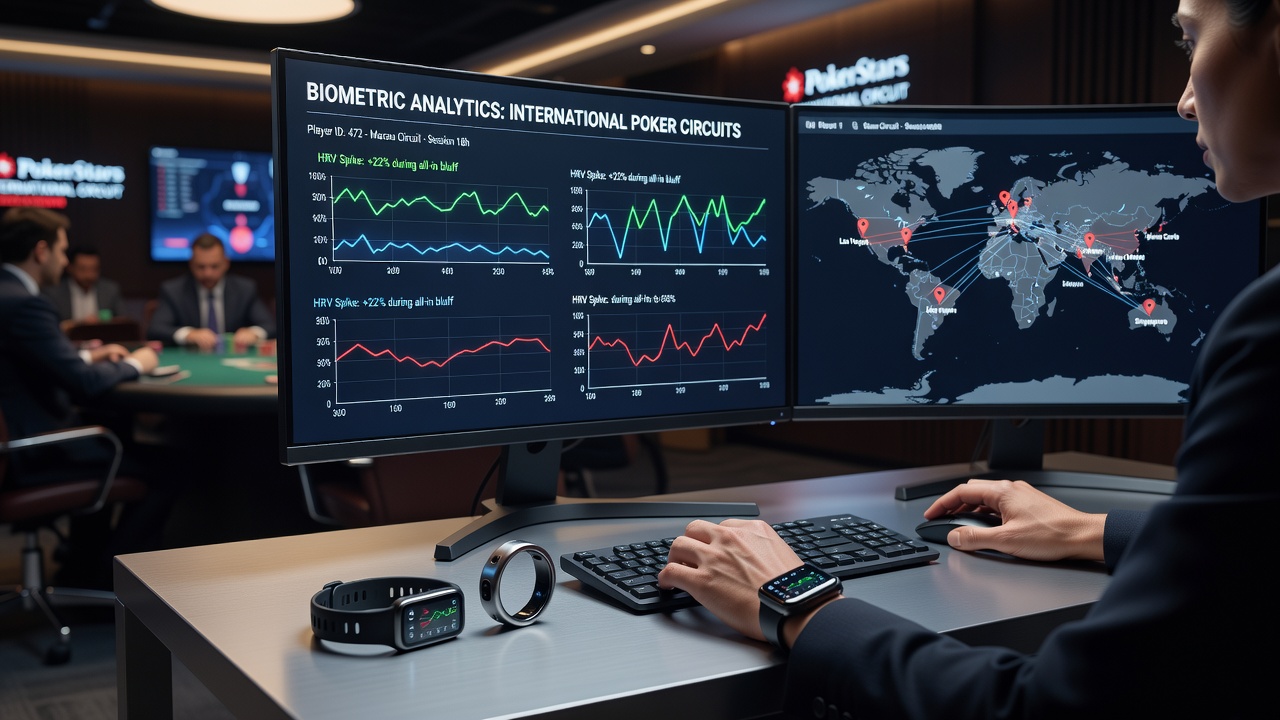
Extended poker sessions at major circuits place unique demands on participants, and wearable devices now capture heart rate variability, skin conductance, and sleep metrics across events that stretch twelve hours or longer. Data collection begins with devices such as smartwatches and chest straps that record continuous streams during tournaments in Las Vegas, Macau, and European stops, while players move between tables and adapt to changing stack sizes. Observers note that these sensors transmit information to cloud platforms where analysts later correlate spikes in sympathetic activity with specific hand decisions or environmental factors such as lighting and noise levels.
Core Metrics Captured by Wearables in Tournament Settings
Heart rate variability serves as a primary indicator of stress recovery between hands, and researchers have tracked how this measure declines steadily after the first four hours of play. Skin temperature and electrodermal activity rise during high-pressure moments such as all-in confrontations, creating timestamped records that align with tournament logs. Sleep trackers worn overnight between days reveal cumulative deficits that compound across multi-day events, particularly when travel between circuits disrupts circadian rhythms.
International circuits introduce additional variables because altitude in certain mountain venues alters baseline oxygen saturation, while humidity in tropical locations affects perspiration readings captured by the same sensors. Data sets compiled from events held through June 2026 show consistent patterns where players who maintain higher nightly heart rate variability also sustain longer focus windows during final tables.
Regional Differences Across Major Poker Circuits
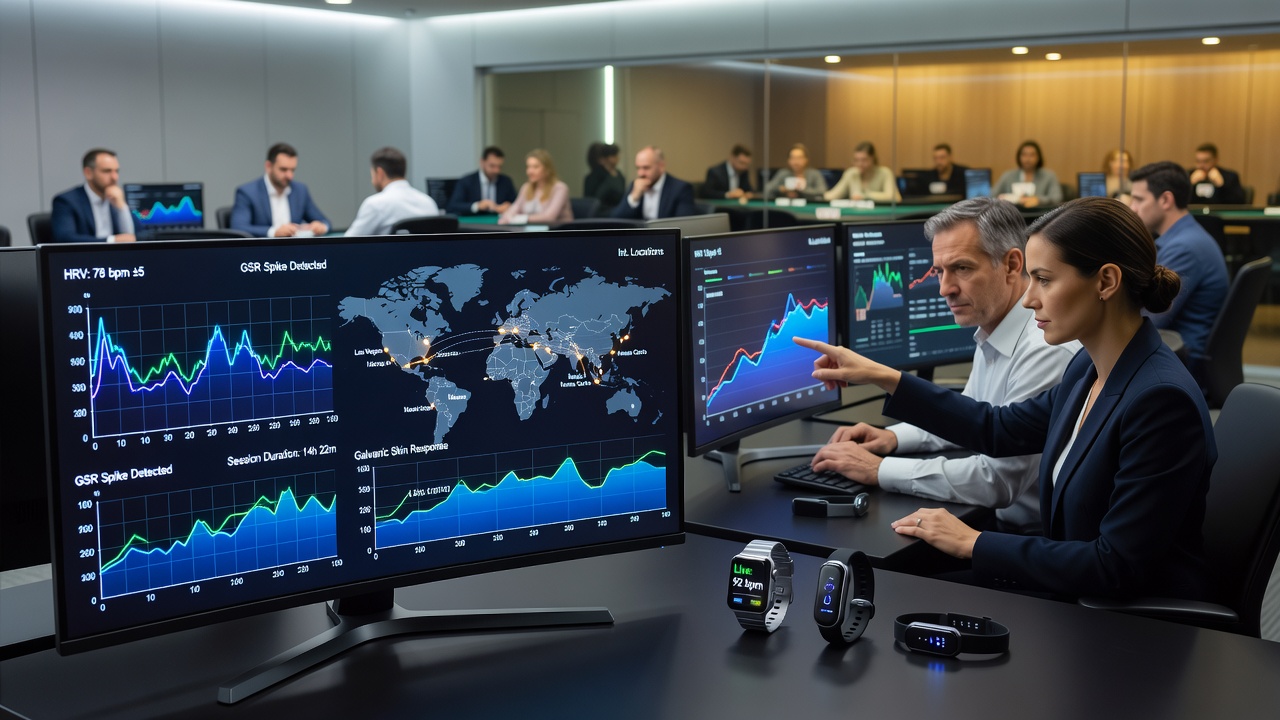
North American events tend to feature longer average session durations because structures allow deeper stacks, and biometric logs reflect gradual fatigue curves rather than abrupt spikes. European festivals often compress schedules into shorter but more intense blocks, producing distinct galvanic skin response clusters around evening sessions. Asian circuits, especially those in Macau, record elevated baseline heart rates linked to crowded environments and rapid table turnover, according to aggregated sensor exports shared among performance analysts.
One study coordinated across multiple federations compared data from over 200 participants and found that recovery intervals between days vary by as much as thirty percent depending on time-zone shifts. These differences appear in both raw sensor output and subsequent performance indicators such as voluntary hand frequency during later stages.
Data Integration and Analytical Approaches
Teams combine wearable outputs with video review and betting histories to build individual profiles that highlight when physiological markers precede decision errors. Machine learning models trained on these combined data sets identify thresholds where heart rate variability drops below personal baselines, prompting suggested rest protocols. Regulatory frameworks in several jurisdictions now require explicit consent forms before any biometric information leaves the device, ensuring compliance with privacy standards set by bodies such as the Pennsylvania Gaming Control Board.
Additional collaboration occurs through academic partnerships with institutions that specialize in exercise physiology, allowing raw data to undergo peer review before publication. Reports from the Australian Gambling Research Centre have examined similar sensor applications in other continuous-performance domains, providing methodological templates that poker analysts adapt for tournament environments.
Practical Applications and Emerging Protocols
Coaches use aggregated trends to advise on hydration timing and micro-break scheduling, while individual players review nightly summaries to adjust caffeine intake or breathing techniques. Federations have begun pilot programs that supply standardized sensor kits to participants who volunteer for longitudinal tracking across an entire season. These initiatives generate larger sample sizes that improve statistical power when comparing outcomes across age groups and experience levels.
Security considerations remain central because continuous data streams require encrypted transmission and storage protocols that meet international standards. Equipment checks at registration desks now include verification that devices meet tournament rules on external communication, preventing any real-time coaching concerns.
Conclusion
Biometric sensor analysis continues to expand across international poker circuits as hardware improves and data protocols mature. Records collected through June 2026 already demonstrate measurable links between physiological states and session outcomes, while regional variations highlight the need for localized interpretation frameworks. Continued cooperation between regulators, researchers, and circuit organizers supports ongoing refinement of these tools without compromising participant privacy or competitive integrity.