Casino Illumination Patterns and Player Strategy Adaptations in Lengthy Gaming Sessions
David Hartmann · Aug 26, 2026
Casino Illumination Patterns and Player Strategy Adaptations in Lengthy Gaming Sessions
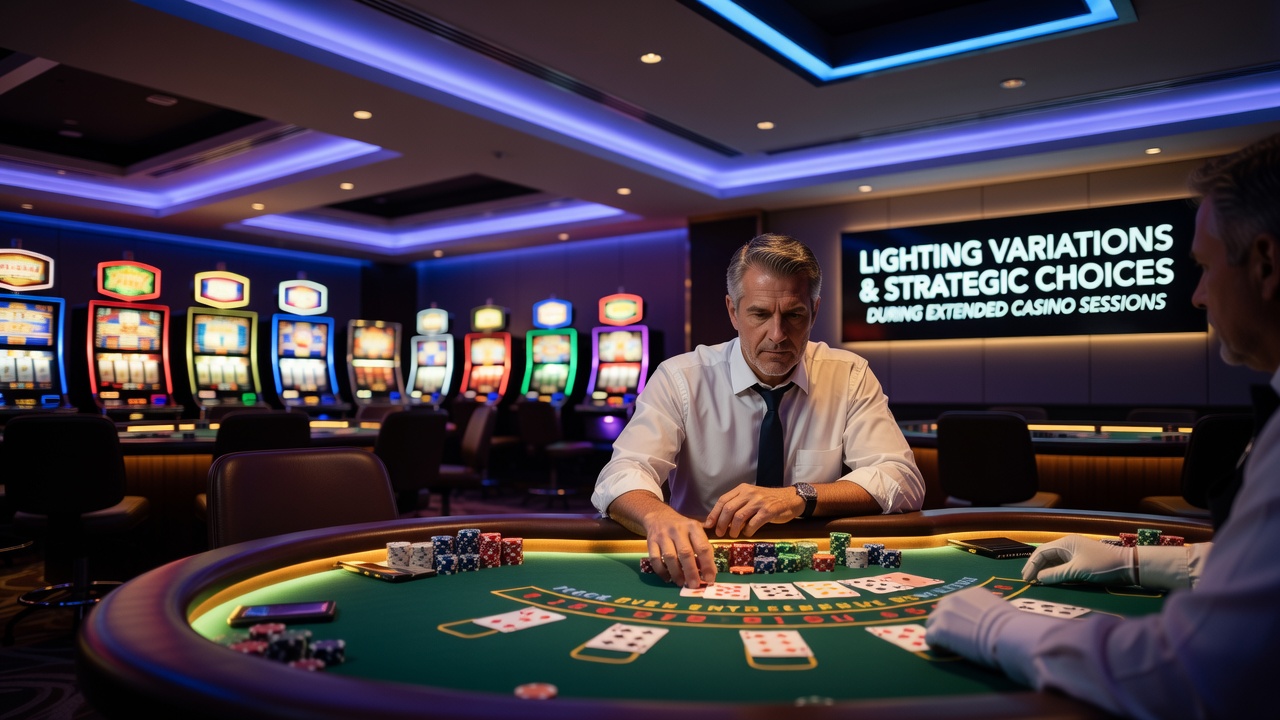
Lighting systems in modern casinos incorporate multiple zones with adjustable intensity levels and color temperatures that shift throughout operating hours, and these changes coincide with documented patterns in how players select games and adjust bet sizes during sessions lasting four hours or longer. Facilities in major markets track illumination data alongside player tracking metrics, which reveals correlations between light temperature reductions after midnight and increased dwell times at video poker terminals versus high-limit table games.
Lighting Configurations Across Casino Floors
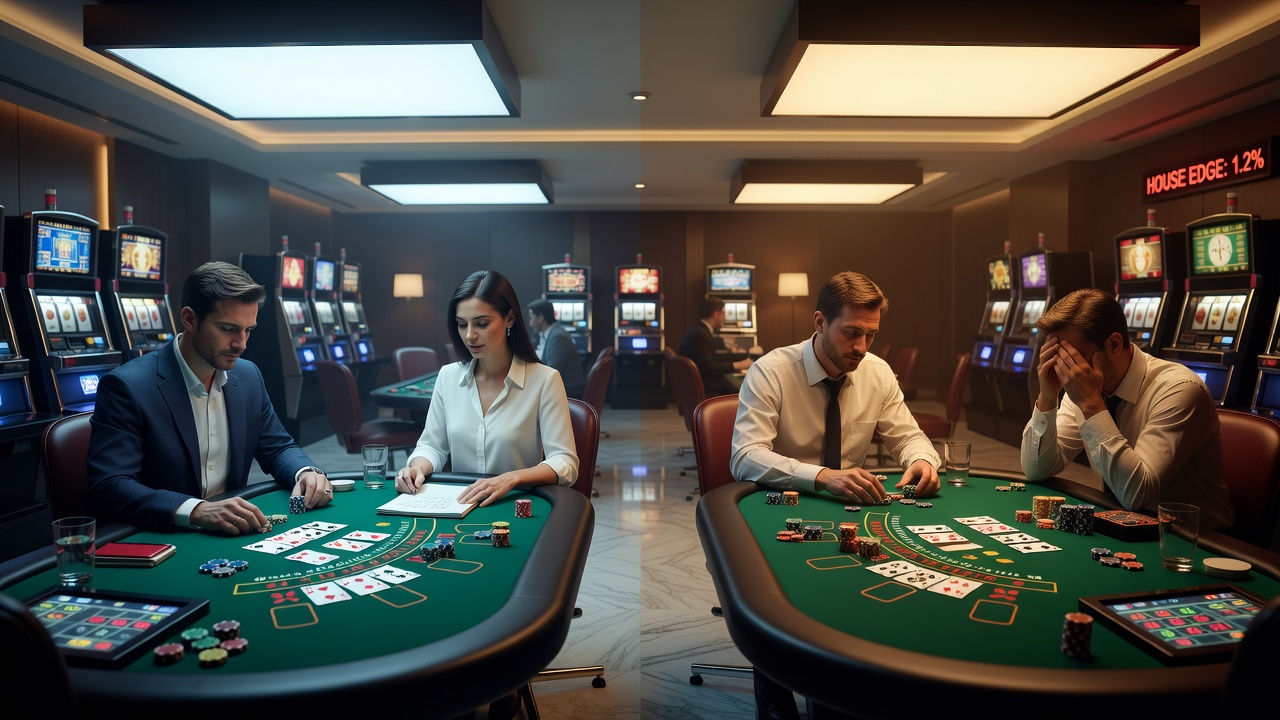
Operators deploy cool white LEDs rated between 4000K and 5000K in slot machine banks to maintain visual clarity on screen interfaces, while warmer 2700K to 3000K fixtures cover table game pits to reduce eye strain during card reading tasks. Dynamic systems installed since 2024 allow gradual dimming sequences that begin around 8 PM in many properties, and data collected through venue management software shows these transitions align with measurable shifts in average bet amounts per hand or spin. Researchers at institutions studying environmental psychology have recorded that players seated under cooler lighting maintain faster decision intervals compared with those in warmer zones, though total session length remains comparable across both settings.
Documented Effects on Player Physiology and Attention
Extended exposure to fluctuating light levels influences melatonin suppression rates and sustained attention capacity, according to wearable sensor readings gathered during controlled observation periods at multiple sites. In August 2026 several properties reported installing additional tunable fixtures following internal audits that linked brighter perimeter lighting to shorter average session durations at adjacent machines. Observers note that participants in studies using biometric bands exhibited elevated heart rate variability when moving between brightly lit slot rows and dimmer lounge areas, while reaction times to game prompts lengthened after three consecutive hours under constant high-intensity illumination. These physiological responses prompt many experienced players to relocate strategically rather than remain stationary when they detect early signs of fatigue.
Strategic Adjustments Observed in Practice
Players frequently modify their game selection and staking patterns in response to perceived lighting comfort, and tracking data from loyalty programs indicates a measurable preference for electronic table games under mid-level lighting during the 10 PM to 2 AM window. One documented case involved a cohort of regular visitors who rotated between stations every ninety minutes to stay within optimal light conditions, resulting in steadier bankroll management across longer visits. Industry reports compiled by regional associations show that venues offering app-based lighting preference notifications recorded higher repeat visit rates among players who self-reported sensitivity to brightness changes. Those adjustments include switching from progressive jackpot slots to lower-volatility options when overhead lights decrease, a pattern confirmed through aggregated play logs rather than individual anecdotes.
Regional Variations and Regulatory Context
Properties in Nevada maintain stricter guidelines on maximum illumination levels near gaming positions compared with certain European jurisdictions, yet both regions record similar player migration patterns toward areas with balanced lighting during peak evening hours. Data released by the Nevada Gaming Control Board in mid-2026 highlighted incremental revenue contributions from facilities that introduced zoned lighting pilots, though the figures attribute gains primarily to extended player comfort rather than direct causation. Canadian operators have explored similar systems, with preliminary findings shared through trade group publications indicating reduced player complaints about visual fatigue after implementation. These regional approaches demonstrate that lighting remains one controllable environmental factor among many that influence session behavior without overriding other elements such as game rules or payout structures.
Integration With Broader Environmental Factors
Lighting interacts with sound levels, temperature controls, and seating ergonomics, and operators increasingly analyze combined datasets to refine floor layouts. Studies conducted through university-affiliated research programs have mapped light intensity against noise decibel readings, revealing that dimmer zones paired with moderate ambient sound correlate with longer continuous play stretches at certain table games. Players who monitor their own comfort thresholds often incorporate lighting considerations into pre-session planning, selecting specific casino sections based on prior experience with how illumination affects their focus after several hours. This layered environmental approach explains why some facilities now publish floor maps that include approximate lighting profiles alongside game type locations.
Conclusion
Lighting variations across casino environments continue to shape observable patterns in how participants manage time, game choice, and wager sizing during extended visits. Aggregated operational data and physiological monitoring together provide evidence that these environmental elements warrant ongoing attention from both operators and players seeking consistent performance across long sessions. Further refinements in tunable systems and player education materials may emerge as facilities continue to collect and review multi-variable performance metrics.