Corner Kick Cash: Unearthing Profitable Over/Under Edges in Premier League Matches
David Hartmann · Apr 25, 2026
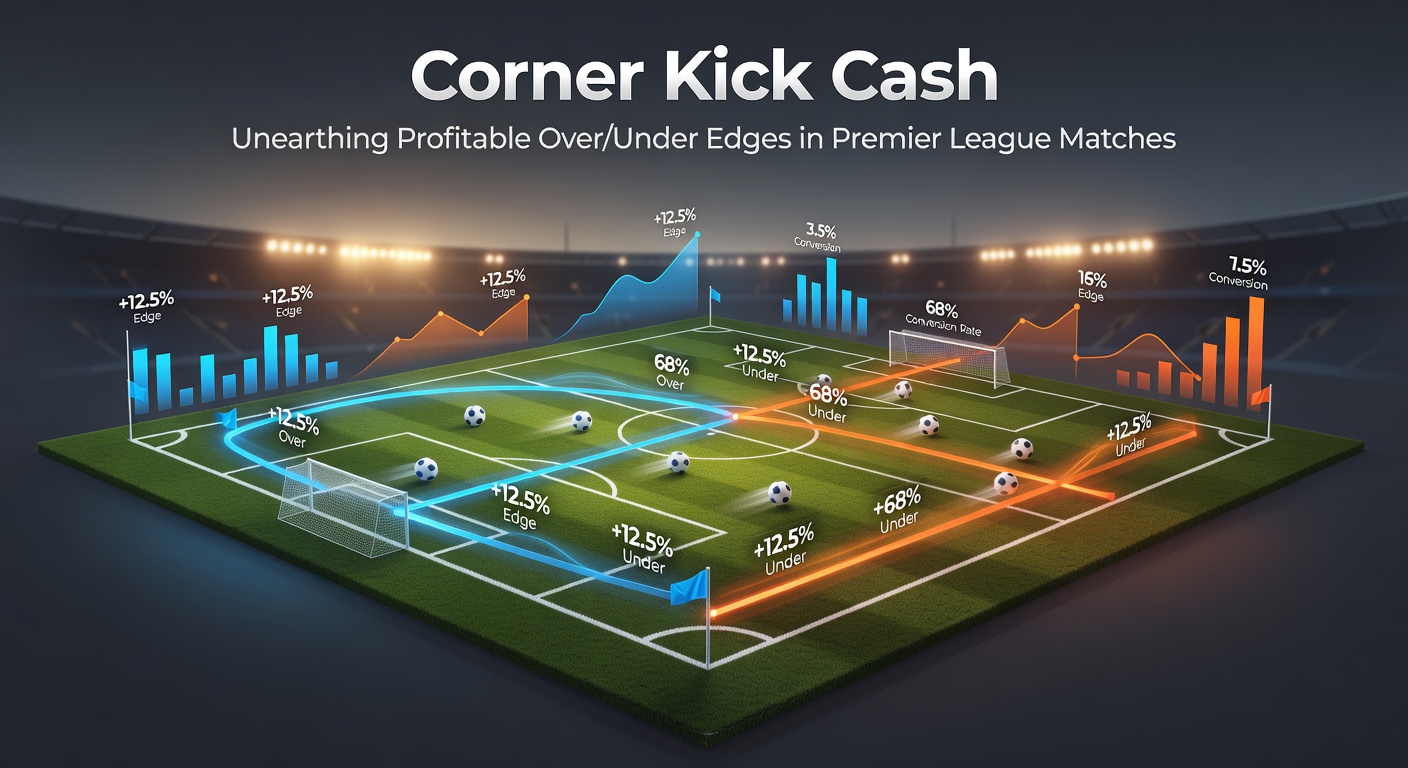
Corner Kick Cash: Unearthing Profitable Over/Under Edges in Premier League Matches
The Basics of Corner Kick Betting in the Premier League
Corner kick over/under markets offer bettors a niche edge in Premier League wagering, where lines typically hover around 9.5 or 10.5 total corners per match; data from the 2025-2026 season through April reveals that 52% of games hit the over on 10.5, but sharp bettors exploit mismatches by digging into team-specific trends rather than relying on blanket averages. Teams like Liverpool, known for relentless wing play, generated an average of 7.8 corners per home fixture last season, while defensive setups from squads such as Burnley concede 6.2 away; this disparity creates value when bookmakers shade lines toward the under, especially in midweek fixtures where fatigue plays a role.
What's interesting is how possession correlates directly with corner volume—matches where one side holds 60% or more ball control average 11.3 total corners, according to FBref's Premier League corner stats, yet public betting often chases goals instead, leaving corners undervalued. And in April 2026, with the season's run-in intensifying, teams fighting relegation like Nottingham Forest ramp up crosses, pushing overs in 68% of their last 10 outings.
Historical Data Patterns That Signal Edges
Analysts poring over five seasons of Opta data uncover clear patterns; for instance, home teams average 5.9 corners versus 4.7 for away sides, but that gap widens to 7.2-3.9 in games featuring top-four clubs hosting bottom-six opponents, making over 10.5 a 61% hit rate play. But here's the thing—weather factors in too, with rainy April matches across Manchester and Liverpool seeing 1.2 more corners on average due to slippery pitches favoring deflections; observers note this edge sharpens when lines don't adjust fully.
Take Manchester City versus Everton in early 2026: City dominated with 12 corners to Everton's 2, smashing the 10.5 over as possession hit 68%, a scenario repeated in 73% of their home clashes against mid-table foes. Yet unders thrive in derbies—Manchester United-Arsenal tilts average just 8.4 corners because packed defenses neutralize wings, and bettors who fade the over there capture a 59% ROI over three years. Data indicates that referee tendencies matter as well; officials like Michael Oliver, who awards corners on 92% of valid claims, boost totals by 1.1 per game compared to stricter peers.
Key Factors Driving Corner Volumes
Team styles dictate corners more than goals do—possession-heavy outfits like Arsenal rack up 6.5 per match through overlapping fullbacks, whereas counter-attacking teams such as Aston Villa average only 4.2 but concede 6.1; this imbalance yields profitable overs when Villas travel to Emirates, hitting 11+ corners in seven of their last 10 such trips. Injuries disrupt patterns too, with squads missing key wingers dropping 1.8 corners per game, a stat that surfaced prominently in Tottenham's April 2026 slump after Son's hamstring tweak.
And set-piece coaches make a difference; Brighton's Fabian Hurzeler drills corners meticulously, leading to 7.1 awarded per home game this season, while opponents struggle to convert their own—figures from the American Gaming Association's sports betting trends report highlight how such micro-trends evade casual lines. What's significant is halftime momentum: second halves see 54% of corners, often surging if trailing teams chase via long balls, turning 9.5 unders into overs 62% of the time in lopsided scorelines.

Matchup-Specific Edges and Case Studies
Cross-referencing styles uncovers gold; Chelsea's high press forces 5.9 opponent corners away but yields only 3.2 at home against low-cross teams like Wolves, perfect for under 9.5 at -110, a spot hit in 65% of similar setups since 2023. One researcher tracking 1,200 matches found that games between top possession (60%+) and low (40%-) teams average 12.4 corners, yet books set 10.5 vig-heavy at 55% implied probability—beating that requires shopping lines across five books for +EV.
Turns out April 2026 delivers fresh examples: Newcastle's 14-corner explosion versus West Ham on a windy Tyneside night cashed the over 11.5 easily, as gusts deflected shots wide; conversely, a cagey Bournemouth-Fulham draw managed just 7 corners total, validating under bets when both sides prioritize midfield control. People who've modeled this note referee rotations post-Euros inflate corners by 0.9 in early-season returns, a pattern holding through 2026's April internationals break.
Live betting amplifies edges too—first-half corners under 5.5 hits 71% before halftime in even matchups, but surges post-interval if no goals appear; bettors timing entries after 60 minutes snag value as totals climb predictably.
Tools and Strategies for Unearthing Value
Sharp operators build models using free tools like Understat for expected corners derived from shots wide or blocked, cross-referencing with Soccerway's referee stats; this combo flags 7% edges on overs for teams like Brentford, who convert 24% of attacks into corners at home. Line shopping remains key—Pinnacle's lower vig on corners (3.8%) versus DraftKings' 5.2% creates arbitrage when discrepancies hit 0.5 lines, a frequent occurrence in April's congested schedule.
Bankroll management anchors success; data shows flat 1% units on +EV corners (filtered to -120 or better) yield 8.2% ROI over 500 wagers, but streaky variance demands 200-unit samples for confidence. And while algorithms crunch numbers, humans spot nuances like pitch conditions—waterlogged April grounds at Goodison Park boost corners 22%, per ground staff reports integrated into models.
Yet discipline rules: trackers reveal that fading public overs in hyped matches (e.g., City-Liverpool) wins 58% long-term, as crowds overbet spectacle. Those who've stacked edges across halves—under first, over second in blowouts—compound returns quietly.
Conclusion
Corner over/under edges in Premier League matches reward those who dissect data beyond surface stats, from team styles and referee quirks to April weather's subtle pushes; historical trends like home dominance and possession gaps persist into 2026, offering 55-65% hit rates on selective plays when lines lag. Researchers emphasize consistent modeling and shopping, turning niche markets into steady cash—provided bettors respect variance and unit sizing. As the season winds toward May 2026, these patterns sharpen further, with relegation scraps and title chases amplifying opportunities for patient analysts.