Decoding the Influence of Architectural Lighting on Player Choices in High-Limit Baccarat Salons
Zara Jenkins · Jun 20, 2026
Decoding the Influence of Architectural Lighting on Player Choices in High-Limit Baccarat Salons
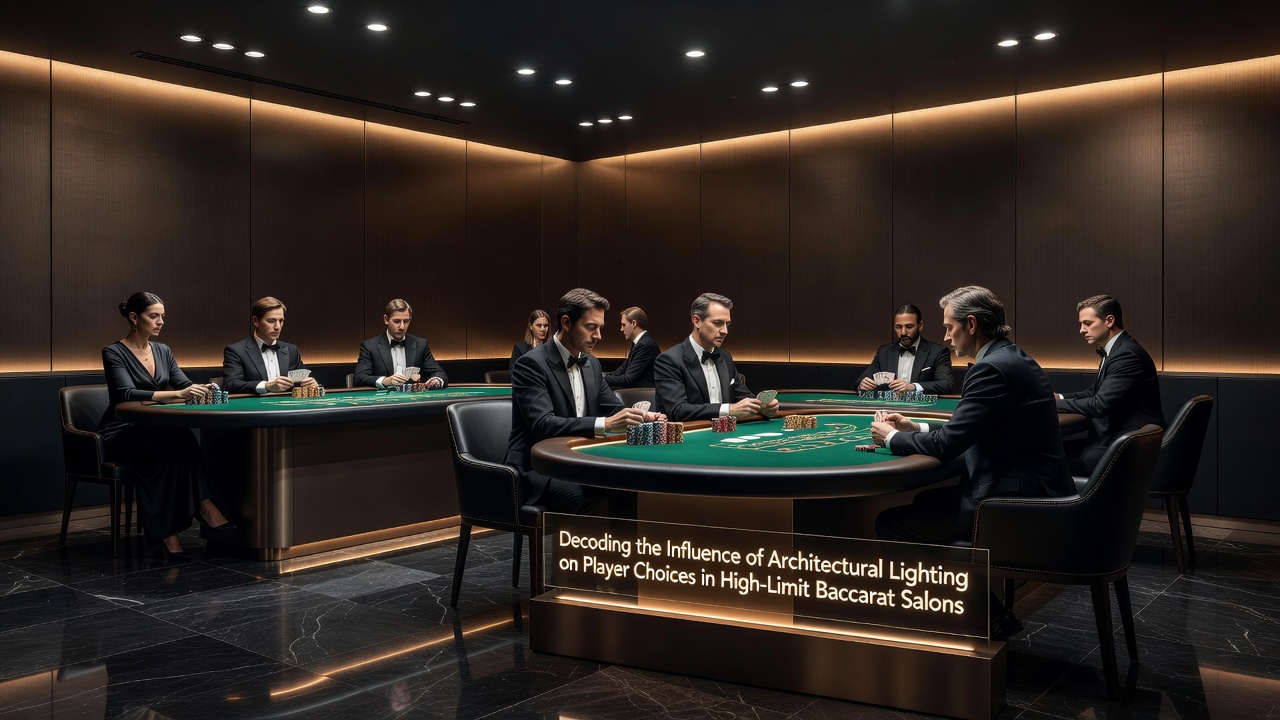
High-limit baccarat salons feature carefully calibrated lighting systems that shape the environment where players place wagers, and researchers continue to examine how these designs connect to betting patterns across major casino destinations. Light intensity, color temperature, and fixture placement combine to create distinct visual conditions that influence focus, mood, and the pace of decisions during extended sessions.
Design teams in properties from Macau to Las Vegas adjust these elements to balance visibility on the felt with a sense of enclosure that suits private play. Studies from the International Gaming Institute at the University of Nevada have tracked how variations in overhead and peripheral lighting correlate with session duration and average bet sizes in controlled observation periods.
Core Elements of Lighting Design in VIP Baccarat Spaces
Architects and lighting engineers prioritize layered illumination that includes soft ambient sources, directional downlights over tables, and subtle accent features along walls and ceilings. Warm color temperatures around 2700K to 3000K often appear in these salons because they reduce eye strain during long hours while maintaining clarity for card recognition. Cooler tones near 4000K serve transitional areas where players move between tables and lounges.
Dimming controls allow staff to shift overall brightness in response to occupancy levels or time of day, and automated systems record these adjustments for later analysis. Data collected through June 2026 at several integrated resorts shows that incremental reductions in ambient light during peak evening hours align with steadier betting rhythms among regular high-limit participants.
Observed Connections Between Light Conditions and Player Behavior
Observers note that lower overall illumination tends to extend individual decision times at the baccarat table, particularly when players review scorecards or consult companions. Brighter, more uniform lighting can accelerate the flow of hands because it supports quicker visual processing of card values and payout markers. These patterns emerge consistently in field studies conducted across multiple jurisdictions.
Color rendering quality also matters because accurate reproduction of red and black suits prevents hesitation during rapid rounds. Facilities that upgraded to high-CRI LED arrays reported measurable shifts in average hands per hour without corresponding changes in table minimums. One longitudinal project at a Singapore property documented these outcomes through anonymized transaction logs paired with lighting logs from the building management system.
Regional Installations and Measurement Approaches
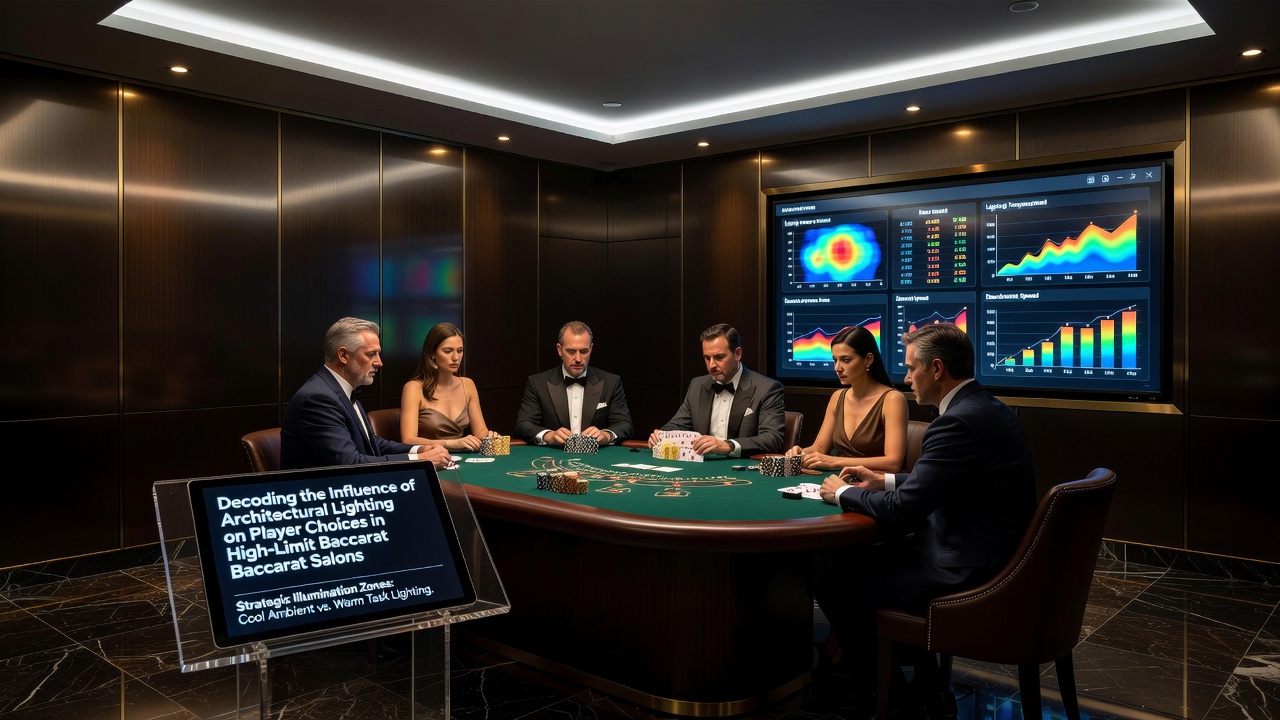
Properties in Macau have incorporated tunable white lighting that shifts gradually from cooler morning tones to warmer evening palettes, and operators track corresponding adjustments in player arrival times and table selection. Similar systems appear in Australian high-roller rooms where daylight harvesting through perimeter glazing interacts with artificial sources to maintain consistent lux levels on the playing surface.
Researchers at the Centre for Gambling Research at the University of Macau compiled datasets that pair lighting metrics with anonymized play records, revealing that targeted spotlighting on the dealer area correlates with fewer interruptions for clarification requests. These findings build on earlier work from North American venues that used wearable eye-tracking devices to measure gaze duration under different fixture configurations.
Technological Integration and Future Monitoring
Modern control systems now integrate occupancy sensors, circadian rhythm algorithms, and real-time energy monitoring to maintain lighting that supports both operational efficiency and player comfort. Casino operators receive monthly reports that flag deviations from baseline settings, allowing maintenance teams to recalibrate before noticeable effects appear in session data.
By June 2026 several major resorts had begun piloting spectral tuning that responds to external daylight changes, and preliminary logs indicate stable player retention metrics across variable weather conditions. These installations build on standards developed by the American Society of Interior Designers in collaboration with gaming facility planners.
Conclusion
Architectural lighting in high-limit baccarat salons functions as an active component of the gaming environment rather than a passive backdrop, and ongoing measurement programs continue to map its relationships with player pacing and table selection. Facilities that document these interactions gain clearer operational insights while meeting regulatory expectations for transparent design practices. Continued refinement of lighting controls will likely produce additional datasets that clarify how specific fixture types and control sequences interact with established wagering behaviors across global markets.