Investigating Altitude Effects on Performance Metrics in Mountain Horse Racing Circuits
Blake Schmitt · May 18, 2026
Investigating Altitude Effects on Performance Metrics in Mountain Horse Racing Circuits
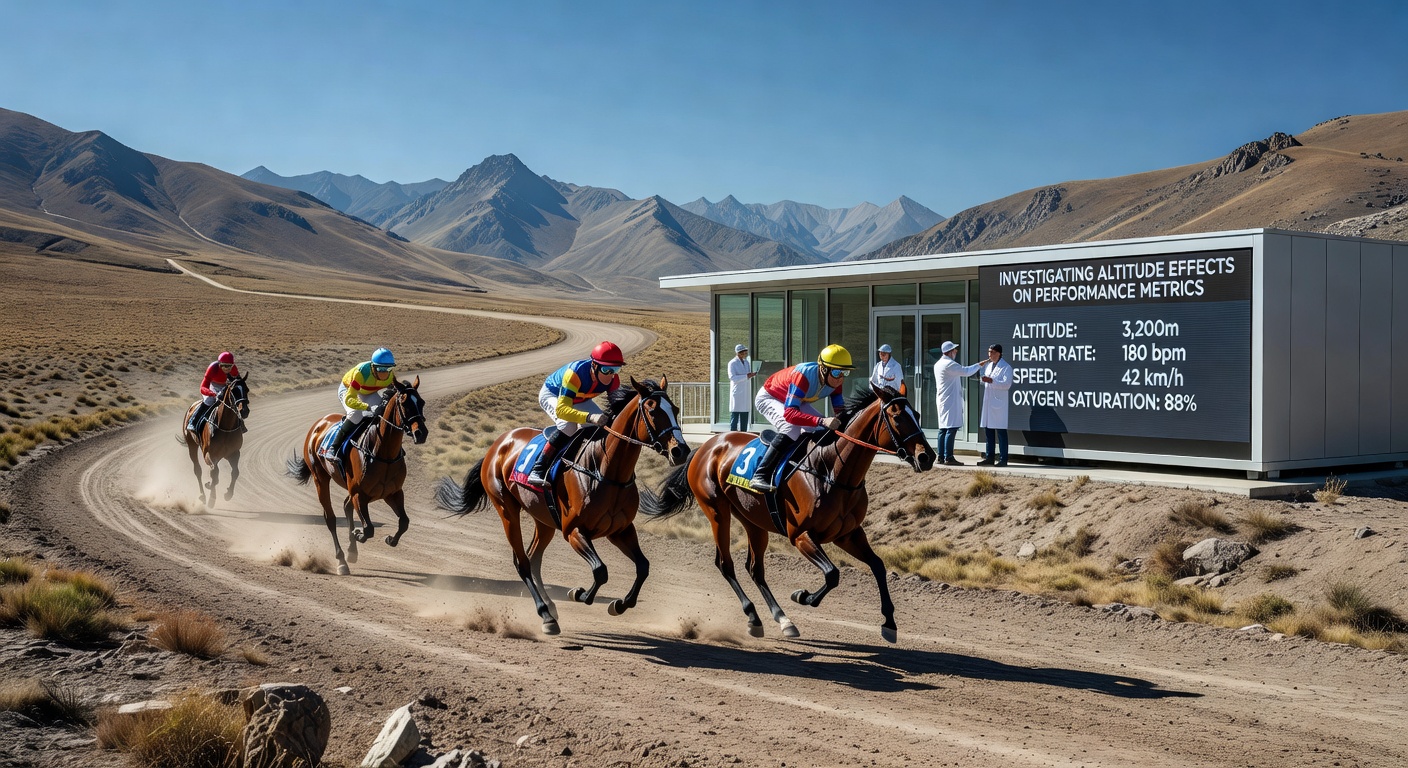
High-altitude horse racing circuits present unique challenges that alter key performance metrics in measurable ways, and researchers have tracked these shifts across multiple venues since organized events began in mountainous regions. Data from races held above 2,000 meters show reductions in average speeds of 3 to 8 percent compared with sea-level tracks, while heart-rate recovery times lengthen by up to 25 percent in the same horses. Observers note that these changes appear consistently in circuits located in Colorado, the Andes foothills, and select European alpine venues, creating distinct patterns that trainers and analysts monitor each season.
Physiological Responses at Elevation
Horses competing at altitude experience lower partial pressure of oxygen, which forces immediate adjustments in respiratory rate and red-blood-cell production over repeated exposures. Studies conducted by Colorado State University veterinary teams indicate that hemoglobin levels rise within 10 to 14 days of arrival, yet peak performance often lags behind this adaptation window by several additional days. Cardiac output increases to compensate, yet muscle oxygenation remains limited during the first three to four minutes of a race, directly affecting split times in the middle and late stages. Trainers at circuits such as those near Santa Fe and Aspen have documented these shifts through wearable sensor data, revealing consistent drops in stride length once horses pass the halfway mark.
Performance Metrics Across Notable Circuits
Tracks situated between 2,100 and 2,800 meters display repeatable differences in final times and sectional breakdowns. At the Cripple Creek circuit in Colorado, six-furlong races run in May 2026 posted average winning times 1.8 seconds slower than comparable distances recorded at lower-elevation tracks in the same month. Similar patterns emerged at the Salta Grande meet in Argentina, where researchers recorded extended recovery intervals between heats. These metrics matter because they influence how past performances translate when horses move between altitude levels, and analysts have begun compiling comparative databases to adjust speed figures accordingly.
Data Collection Methods
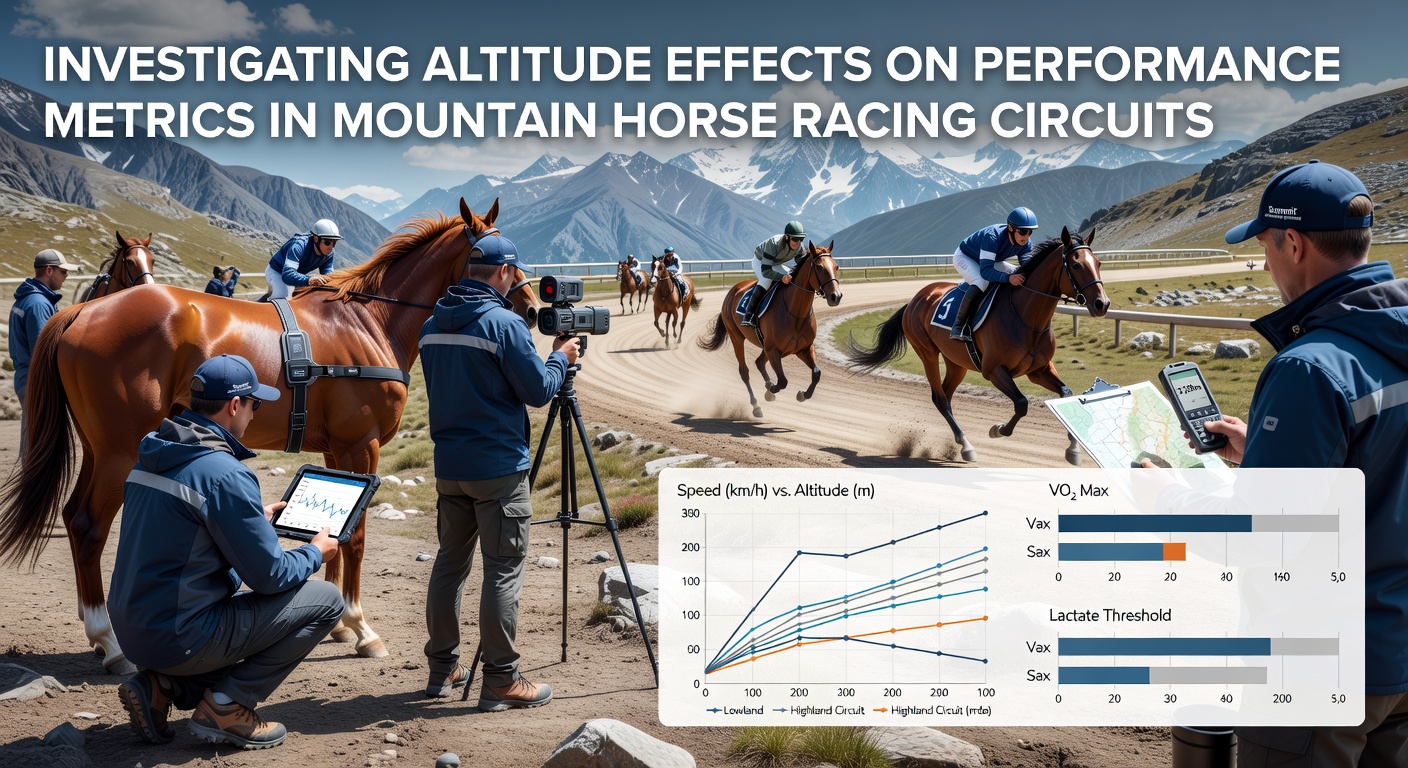
Modern investigations rely on portable blood-gas analyzers, GPS tracking units, and continuous electrocardiogram monitors that transmit readings throughout each race. One long-term project spanning 2019 through 2025 collected over 4,200 individual horse performances across three mountain circuits, and the resulting dataset showed that horses with prior altitude exposure outperformed newcomers by an average of 2.4 lengths in races exceeding one mile. Figures released by the North American Association of Racetrack Veterinarians confirm that oxygen saturation readings below 88 percent correlate strongly with late-race fade patterns, providing a quantifiable threshold trainers now reference when planning workouts.
Training Adaptations and Scheduling
Conditioning programs have evolved to include staged altitude camps that begin 18 to 21 days before major stakes events. Horses gradually increase time spent above 1,800 meters while trainers track daily resting heart rates and post-work blood lactate levels. Data from these camps indicate that animals completing at least 12 high-altitude breezes show improved oxygen efficiency on race day, although gains plateau after roughly four weeks. Scheduling also plays a role; events held in late spring when ambient temperatures remain moderate tend to produce tighter final times than midsummer races at the same venue, according to records maintained by the Colorado Horse Racing Commission.
Comparative Studies from International Venues
Researchers in Switzerland have examined similar effects at the St. Moritz track, which sits above 1,800 meters and hosts both flat and trotting races. Their findings align closely with North American observations, showing parallel declines in early pace and extended recovery periods, yet Swiss data also highlight breed-specific differences: standardbreds maintain trot rhythm more effectively than thoroughbreds under reduced oxygen conditions. A separate project coordinated by the Australian Racing Board examined acclimatization timelines for horses shipped from sea-level stables to high-country meets, and results suggested that strategic shipping windows of 10 to 12 days before competition optimize both hydration and red-cell response.
Implications for Performance Analysis
Speed ratings and pace figures require altitude-specific adjustments before they can be applied across circuits. Analysts now apply correction factors derived from the multi-year datasets mentioned earlier, reducing raw times by set percentages based on elevation and recent weather conditions. These adjusted figures help identify horses that have run well relative to the unique demands of mountain tracks rather than simply comparing raw clockings. Industry reports from the North American Association of Racetrack Veterinarians note that such refinements improve predictive accuracy when evaluating form for upcoming races at elevation.
Conclusion
Altitude effects on mountain horse racing circuits continue to receive systematic study as sensor technology and international data sharing expand. The measurable changes in speed, recovery, and physiological markers provide concrete benchmarks that shape training calendars, shipping decisions, and performance modeling. As additional circuits adopt standardized monitoring protocols, the collective dataset grows richer, allowing clearer distinctions between horses that thrive at elevation and those that require more time to adapt.