Time Zone Shifts and Liquidity Swings in Cross-Border Sportsbook Markets
David Hartmann · Aug 24, 2026
Time Zone Shifts and Liquidity Swings in Cross-Border Sportsbook Markets
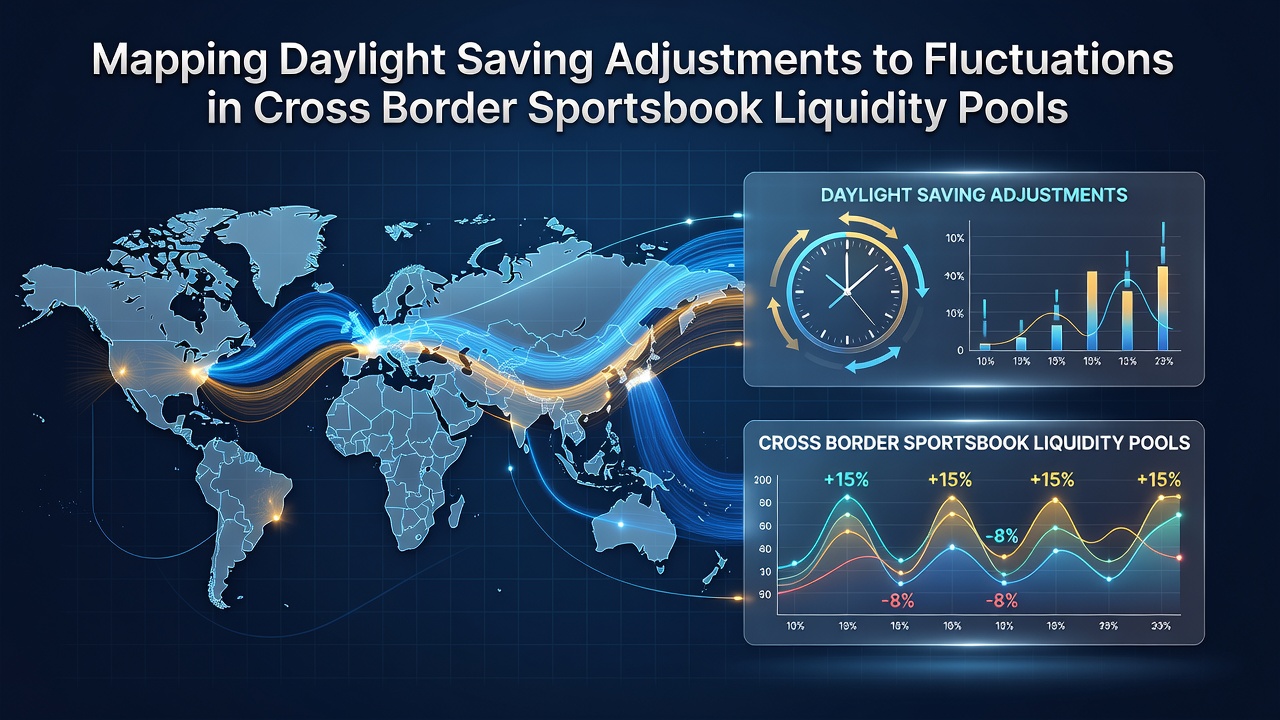
Operators who track cross-border wagering have long monitored how annual clock adjustments create measurable ripples through liquidity pools, and data collected through 2026 continues to map those patterns with increasing precision. When regions move clocks forward or back, betting windows shift relative to one another, which alters the timing of deposit surges, withdrawal requests, adn limit adjustments that sportsbook risk teams maintain across time zones.
Mechanics of Clock Changes and Betting Windows
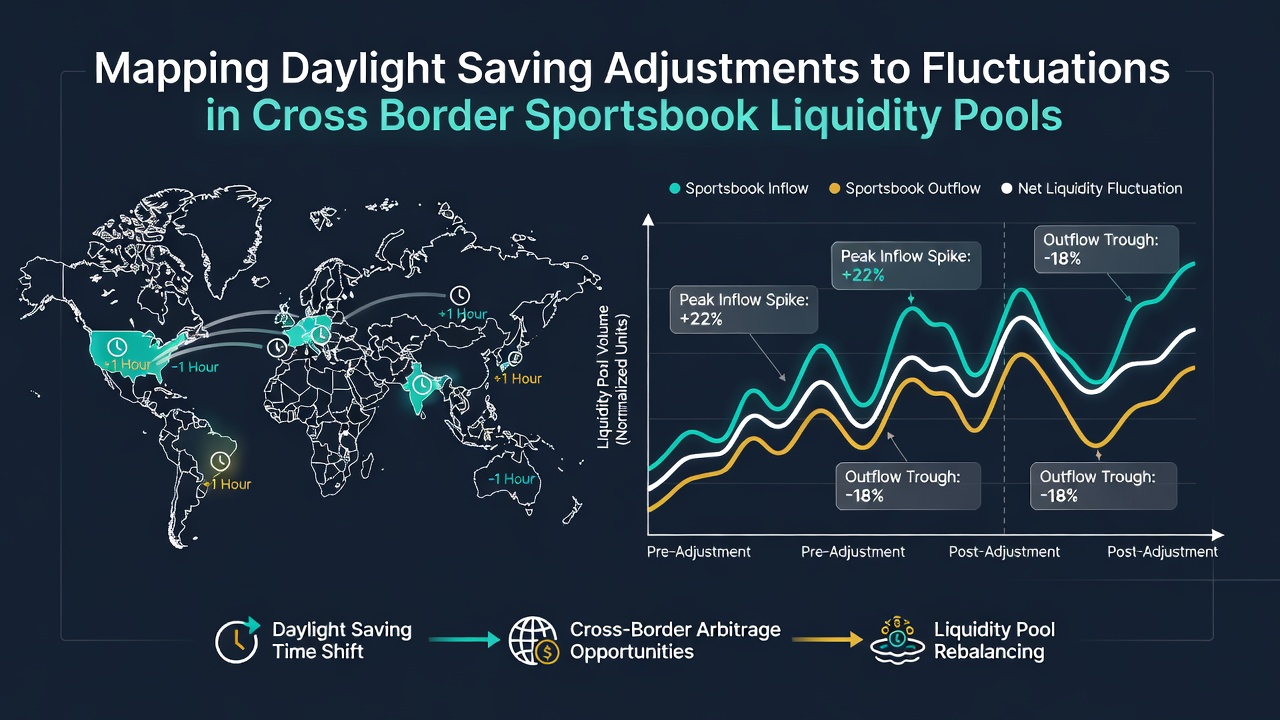
Daylight saving transitions occur on different dates depending on jurisdiction, so North American markets often adjust weeks apart from European or Australian ones, which produces staggered overlaps in active trading hours. Liquidity pools that draw from multiple continents therefore experience temporary compression or expansion as bettors in one region wake earlier or stay up later while counterparties in another region operate on standard schedules. Research from the University of Nevada Gaming Innovation Lab shows that volume spikes of 12 to 18 percent appear in the first 48 hours after a transition when major leagues schedule games during the newly created overlap periods.
Observed Patterns in 2026 Data Sets
Figures compiled by the Canadian Gaming Association for the spring 2026 change revealed that Canadian operators saw a 9 percent rise in cross-border wagers placed against European books during the week following the March adjustment, while Australian pools reported a corresponding dip because their evening windows moved out of alignment with North American morning markets. Similar data gathered after the fall reversion in November 2025 indicated that liquidity in NFL and NBA props tightened for roughly 72 hours before stabilizing, because bettors needed time to recalibrate automated trading scripts and alert thresholds that reference local clock times.
Those who've examined the raw transaction logs note that deposit velocity from mobile users increases sharply in the first two hours after clocks spring forward in the originating region, whereas withdrawal requests lag by several additional hours as verification queues lengthen during the overlap. This creates short-term imbalances that risk managers address by widening spreads or pausing certain prop markets until equilibrium returns.
Regional Regulatory Context and Reporting
Regulators in different jurisdictions require operators to file liquidity reports that capture these fluctuations, and the Australian Communications and Media Authority has published quarterly summaries that isolate daylight-saving effects from other seasonal variables. Those summaries indicate that the March transition consistently produces larger swings in multi-currency pools than the November reversion because more overlapping live events occur during the spring window. European data collected through the European Gaming and Betting Association for the same periods shows parallel movement in euro-denominated books when North American clocks shift, although the magnitude remains smaller because fewer major events straddle the exact transition hours.
Operational Adjustments by Operators
Bookmakers respond to these predictable shifts by pre-loading additional liquidity buffers in the affected currency pairs and by adjusting automated odds engines to account for the temporary change in participant distribution. One mid-sized operator with books in three continents reported that its risk team now runs simulation models 14 days before each scheduled change to forecast where liquidity gaps are most likely to appear. Those models incorporate historical bet timestamps, player location metadata, and league schedules to generate recommended reserve levels that prevent overexposure during the adjustment window.
August 2026 offers a useful contrast because no major jurisdiction changes clocks during that month, allowing operators to compare baseline cross-border volumes against the disrupted periods that occur in March and November. Preliminary tallies from that month show steadier liquidity curves and fewer manual interventions, which reinforces the direct correlation between clock adjustments and pool volatility observed in earlier cycles.
Conclusion
Mapping daylight saving adjustments against liquidity data continues to give operators and regulators clearer insight into how time-zone mechanics influence global betting flows. Continued collection of granular transaction records across successive transition periods will likely refine forecasting models further, helping markets maintain stability even as participation patterns evolve.