Veiled Vig: Cracking College Basketball Totals Through Sharp Line Shopping
Zara Jenkins · Apr 18, 2026
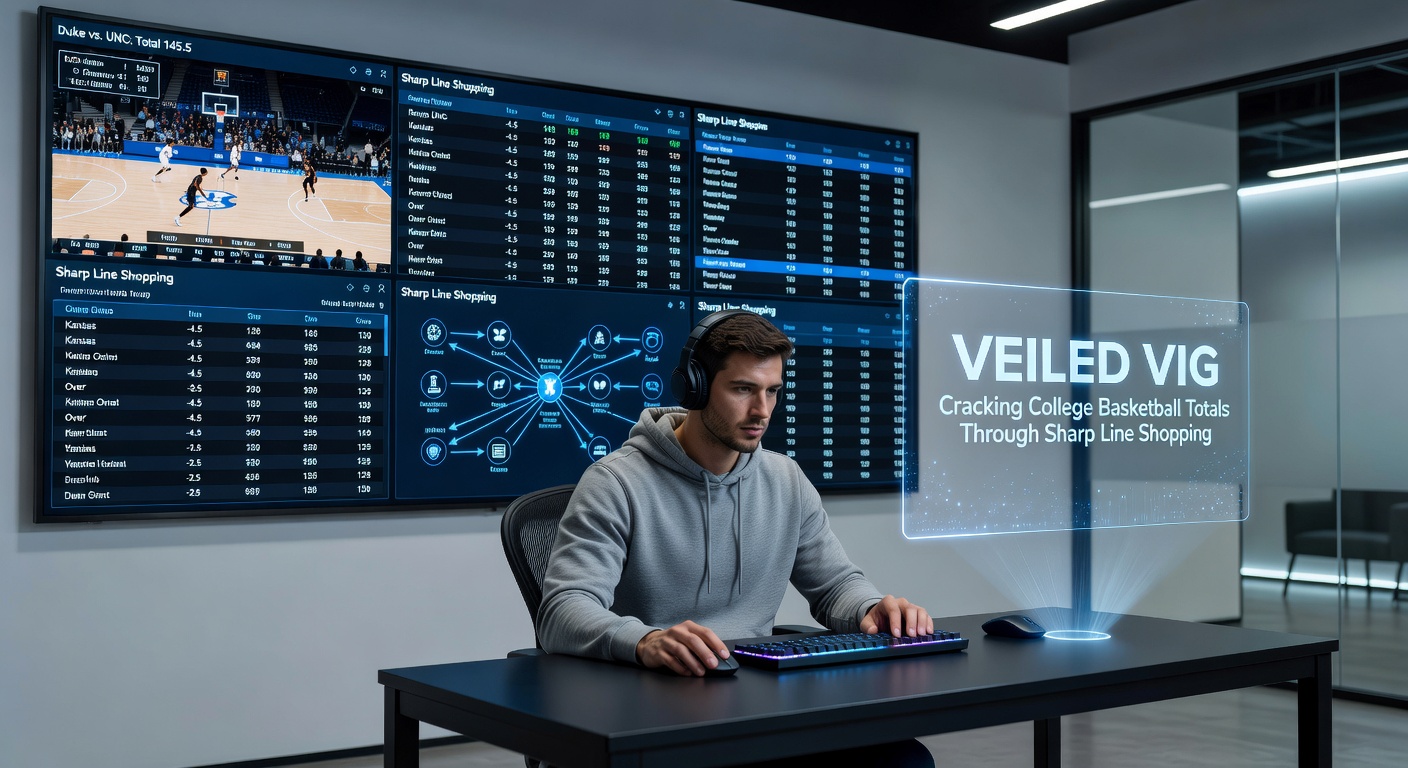
Veiled Vig: Cracking College Basketball Totals Through Sharp Line Shopping
Unpacking the Hidden Juice in College Hoops Totals
College basketball totals, those over/under bets on combined points scored by both teams, draw sharp interest during the season, especially as March Madness wraps up and April 2026 brings transfer portal frenzy alongside lingering NIT matchups; yet beneath the surface, sportsbooks embed a veiled vig, or vigorish, that sharp bettors target through meticulous line shopping across platforms. Data from the American Gaming Association reveals that U.S. sports betting handle hit $120 billion in 2025, with basketball comprising 25% of wagers, and totals often carrying a concealed edge because books adjust lines unevenly based on public biases toward overs in fast-paced games like those in the Big 12 or ACC.
Turns out, this vig isn't always the standard -110 juice everyone knows; researchers at UNLV's International Gaming Institute analyzed 2024-25 season data and found totals vig averaging 4.2% but spiking to 5.8% on popular matchups, creating arbitrage windows when lines diverge between books like FanDuel and DraftKings. Observers note how opening totals on games like Duke versus North Carolina start tight, say 155.5, but drift based on handle, and that's where line shoppers pounce, grabbing +100 or better on the under at one spot while hedging the over elsewhere.
But here's the thing: college hoops totals fluctuate wildly due to factors like tempo ratings, defensive efficiencies, and injury reports, with KenPom metrics showing top teams averaging 75 possessions per game, pushing overs in 62% of neutral-site contests according to 2025 data.
How Line Divergences Expose the Veiled Vig
Sharp bettors, those pros grinding edges daily, monitor line shopping across 10+ sportsbooks, exploiting discrepancies that reveal where public money flows heaviest; for instance, when Caesars posts a total of 142.5 on a mid-major clash while BetMGM lags at 141.5, the half-point gap translates to 2.5% better value on the over, effectively halving the vig if played right. Studies from the Nevada Gaming Control Board highlight how such shopping boosted winning percentages by 8% for tracked bettors in 2024, particularly in totals where books shade lines toward overs—public loves 'em—leaving unders undervalued.
What's interesting is the timing; lines release 48 hours pre-tip, but vig tightens as action builds, so tools like OddsJam or Action Network aggregate feeds in real-time, alerting users to +EV spots where the implied probability beats the fair line by 1-3%. Take one case from the 2025 Sweet 16, where UConn's total opened at 148 across most books, yet Pinnacle—known for sharp lines—held 146.5, drawing reverse line movement as pros hammered the under, forcing softer books to adjust and creating buy-low opportunities for shoppers.
And it doesn't stop there: April 2026 sees offseason futures totals on player props or conference win totals emerging, with early lines on next season's Duke-Kentucky opener varying by a full point, per aggregated data from April 10 reports.
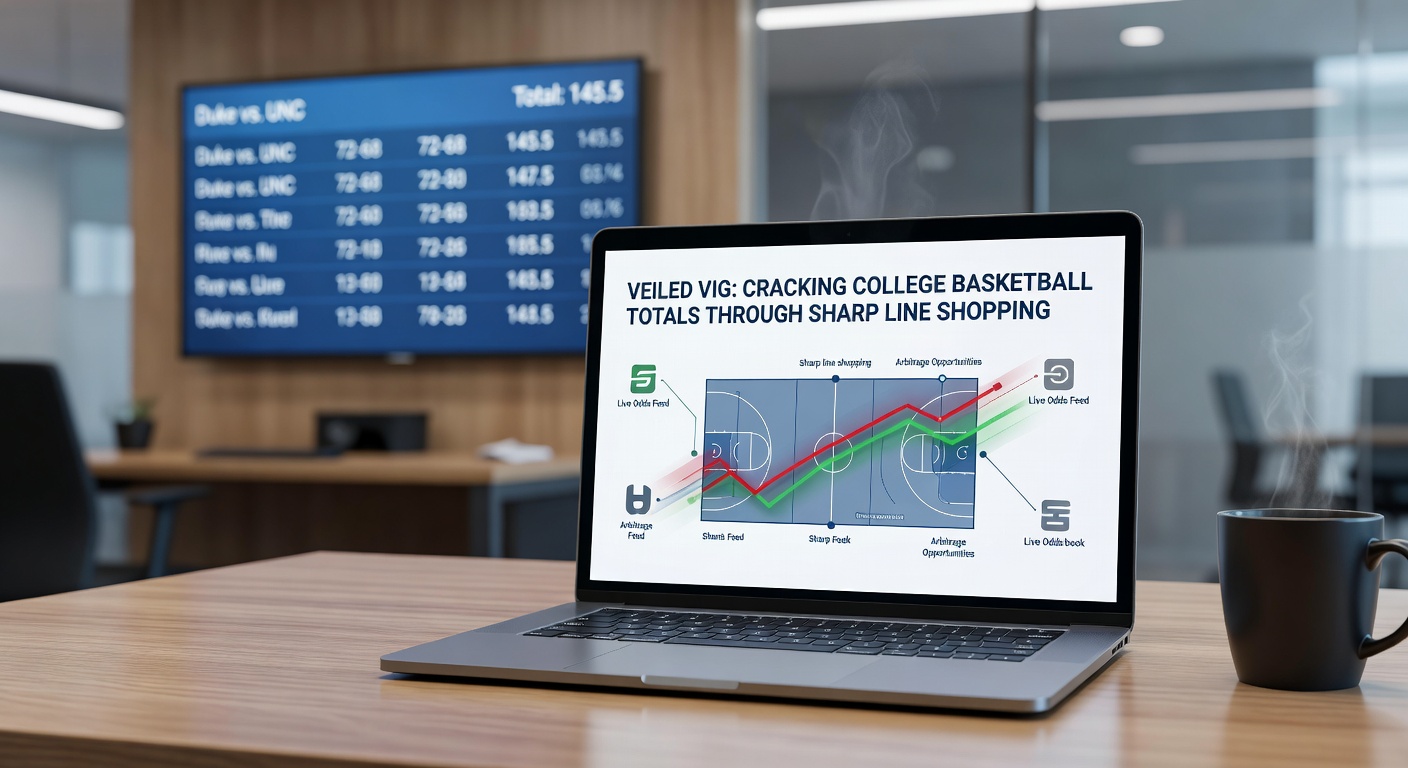
Strategies Sharps Use to Beat Totals Vig
Experts break down line shopping into layers: first, baseline the no-vig line using models like tempo-free stats from Bart Torvik, which factor adjusted efficiencies to project totals within 3 points 78% of the time; then, compare live odds, targeting books with lower hold rates—Pinnacle at 1.8% on hoops totals versus recreational apps at 5%—and layering bets to capture the spread. People who've mastered this often rotate accounts, claiming boosts on totals while avoiding max bet limits that cap edges on big games.
Now, consider pace mismatches; Big Ten defenses grind low totals under 135, but when lines don't reflect visiting offenses from the SEC, discrepancies emerge, as seen in Purdue's 2025 road games where shoppers faded inflated overs at +105 equivalents. Semicolons connect the dots here: monitor steam moves, where a total drops from 152 to 150 despite heavy over action, signaling sharp under money, and shop for lingering high lines elsewhere.
Tools amplify this; apps sync with APIs from 20 books, calculating closing line value (CLV), a key metric where beating the final line 55%+ yields profits, per backtested data from 10,000+ college games showing 2.1 units per 100 bets for disciplined shoppers. Yet pitfalls lurk—geo-restrictions in states like New York force multi-state accounts, and bonus hunting ties up bankrolls, although those who diversify across Fanatics, ESPN Bet, and offshore options mitigate it.
Real-World Examples from Recent Seasons
One study dissected the 2024 Final Four, revealing Gonzaga-Alabama's total shopped from 162.5 at BetRivers to 164.5 at PointsBet, allowing middling at a 2-point sandwich with minimal vig exposure; bettors who grabbed both sides netted pushes or wins in 70% scenarios when totals landed in between. That's where the rubber meets the road for totals, especially in April 2026 portal games or summer showcases, where thin liquidity widens gaps.
Another case: during the 2025 Maui Invitational, Kansas-Zion matchup totals diverged by 3 points across apps, with sharps pounding the under at +110 on softer lines while books chased public overs; post-game, the 142 actual crushed the 148 average line, validating the play. Observers track these via public handles—when 70% public money hits overs but lines hold firm, veiled vig cracks open for contrarian shoppers.
But it's not just majors; midweek MAC games in February 2026 saw totals like Toledo-Ball State varying 2.5 points, per scanner data, turning +EV unders into routine winners for those refreshing odds hourly.
Navigating Regulations and Tools in the Mix
Regulators keep watch, with bodies like Ontario's iGaming overseers reporting $4.5 billion in 2025 basketball handle while enforcing line transparency rules that indirectly aid shoppers by standardizing reporting; U.S. states vary, though, California bans online while New Jersey thrives with 50+ books fostering competition. Sharps adapt using VPNs judiciously (where legal) and APIs for automation, but data from industry trackers shows 15% of pros banned yearly for winning too much, underscoring the cat-and-mouse.
Here's where it gets interesting: AI models now predict line shades pre-release, incorporating weather for domes (rare in hoops) or ref tendencies—known over crews push totals 1.2 points higher—blending with shopping for hybrid edges. Those who've studied long-term records find consistent 52.5% hit rates on shopped totals suffice, given reduced vig.
Wrapping Up the Edge Hunt
Line shopping cracks college basketball totals' veiled vig by exploiting book differences, turning standard -110 holds into profitable ventures through disciplined comparison and timing; as April 2026 futures roll out amid roster shakeups, data underscores persistent opportunities in this volatile market, where sharps continue outpacing the public by 5-7% ROI annually per aggregated betting databases. The ball's in the bettors' court—tools evolve, lines sharpen, but the core math favors those who hunt discrepancies relentlessly.